

Bathing a large dog at home can seem like a daunting task, often compared to wrestling a friendly, soapy bear. However, with proper planning, the right tools, and a systematic approach, it is a completely manageable—and even rewarding—chore that strengthens your bond and keeps your giant companion clean and healthy. Whether you are using a gentle oatmeal dog shampoo for regular maintenance, a specialized pet shampoo for sensitive skin, or a quick dry shampoo for dogs between washes, the key to success lies in preparation, patience, and utilizing your home's infrastructure effectively.
Choosing and Preparing the Right Bathing Location
The first decision is where to conduct the operation. Three main options work well for large breeds:
1. A walk-in shower is ideal, especially one with a handheld sprayer. The contained space prevents escape, and the floor is typically slip-resistant. Ensure the drain is clear of hair beforehand.
2. A bathtub is a classic choice. For dogs who can comfortably step in, it provides good containment. A handheld shower attachment that connects to the tub faucet is a critical investment for thorough rinsing.
3. An outdoor utility sink or a dedicated dog-washing station (available at some hardware stores) is perfect for muddy dogs, as it contains the mess.
No matter the location, place a non-slip rubber mat at the bottom. This provides crucial traction, preventing your dog from slipping and panicking, which is a primary source of bath-time anxiety. Have all supplies within arm's reach: the appropriate dog shampoo, several large absorbent towels, a brush, and cotton balls for ears.
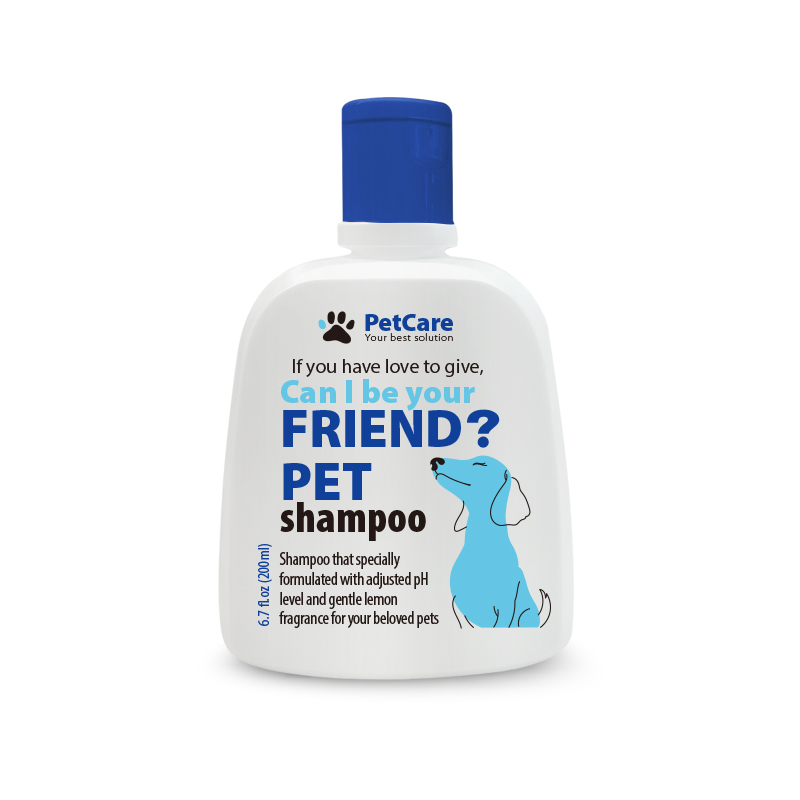
pet shampoo
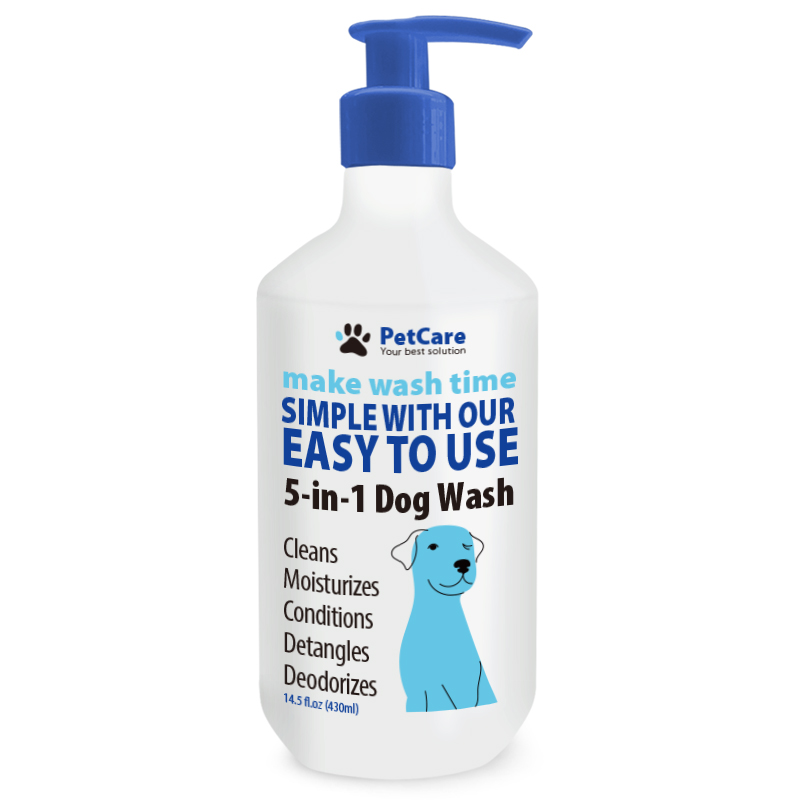
dog shampoo
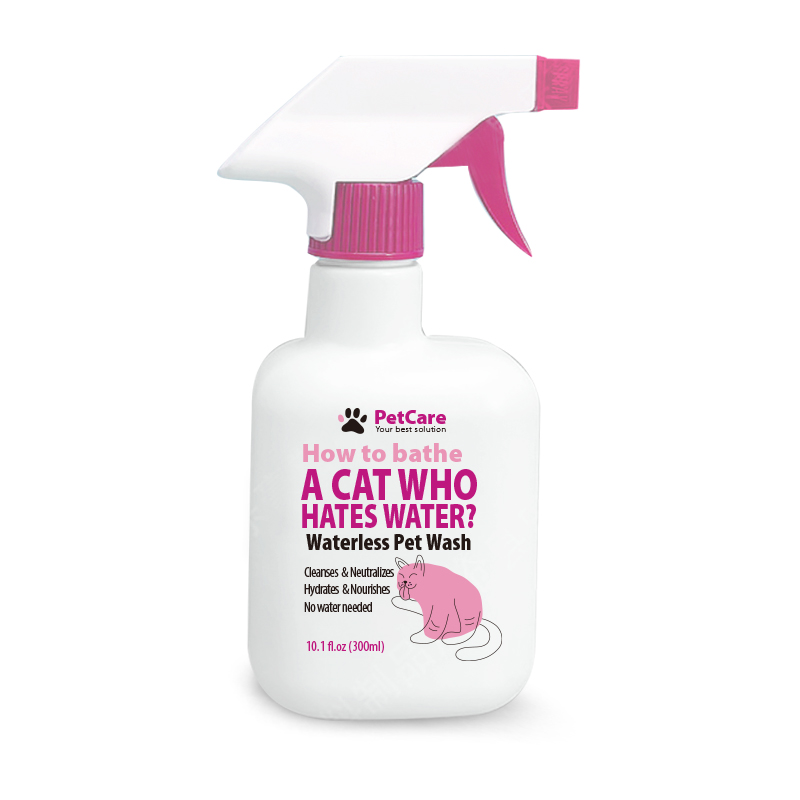
waterless dog shampoo
The Bathing Process: Teamwork and Technique
If possible, enlist a helper. A second person can gently hold and reassure the dog, allowing you to focus on washing and rinsing. If bathing solo, ensure your dog is securely leashed inside the shower or tub to prevent a sudden, soapy escape.
Begin by thoroughly brushing your dog to remove loose fur and mats. Use lukewarm water—never hot—to wet their coat completely, avoiding the head initially. Apply your chosen pet shampoo, starting from the neck and working back. For dogs with specific needs, such as those prone to odor or skin issues, an appropriate dog shampoo formulated for these concerns is essential. Lather the body, legs, and tail, saving the face for last. Clean the face carefully with a damp washcloth, avoiding the eyes, nose, and inside the ears. For deep cleaning needs, dog shampoo products are specifically formulated for a dog's skin pH and should always be used over human products.
Rinsing, Drying, and Alternative Cleaning Method
Rinsing is the most critical step. Leftover shampoo residue is a common cause of skin irritation. Use the handheld sprayer to rinse meticulously until the water runs completely clear, paying special attention to the underbelly and between toes. Squeeze the coat to remove excess water before toweling. Use several large towels to blot and rub your dog dry. For dogs who tolerate it, a blow dryer on the cool, low setting can be used, kept at a safe distance to avoid burns or fear.
For maintenance between full baths, or for dogs who are water-averse, alternative products are invaluable. A dry shampoo for dogs, typically a powder or spray, can absorb oils and freshen the coat. Similarly, a waterless dog shampoo, often a foam or no-rinse liquid, allows for effective cleaning without the need for a full rinse. While these are not substitutes for a full bath when the dog is truly dirty, they are excellent for spot cleaning and extending the time between wet washes.
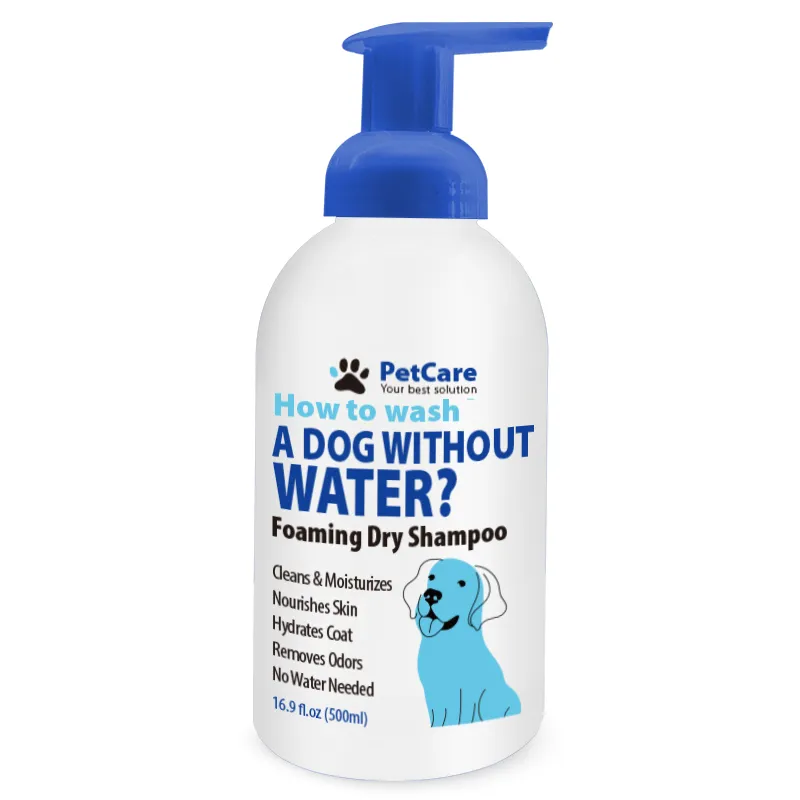
dry shampoo for dogs
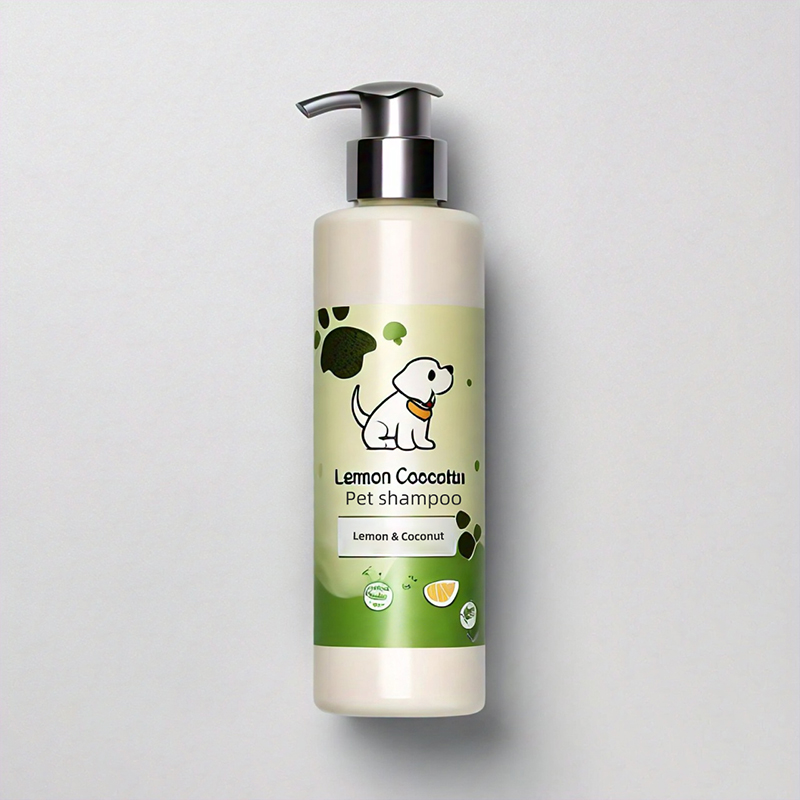
shampoo for dogs
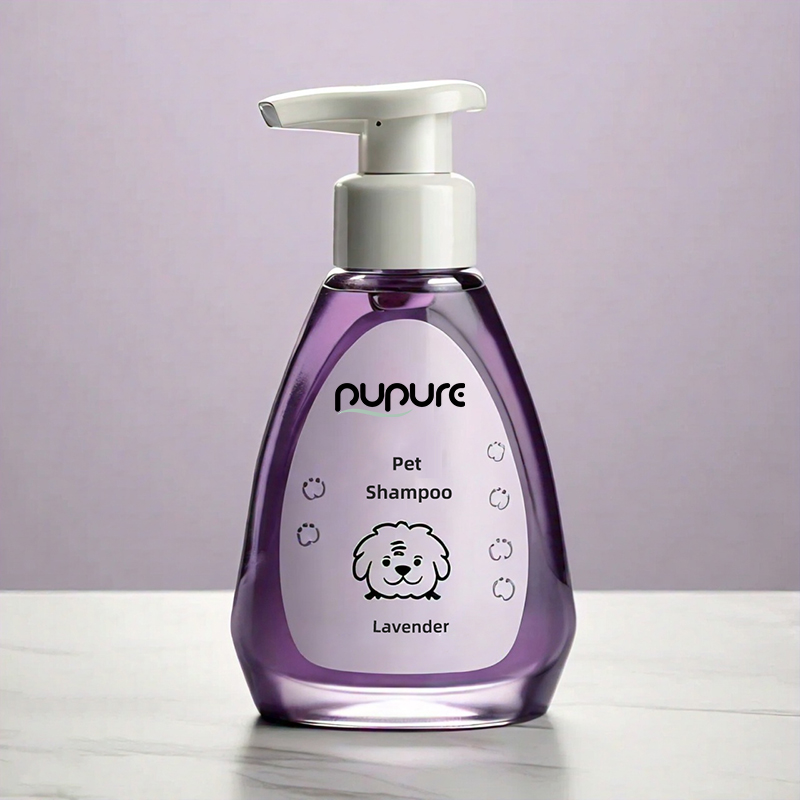
pet shampoo
Knowing When to Call a Professional
Despite your best efforts, some situations call for an expert. If your dog is extremely anxious, aggressive during grooming, or simply too large and powerful for you to handle safely, seeking a professional groomer is the wisest and kindest choice. Groomers have experience, proper equipment like elevated, non-slip tubs and high-velocity dryers, and techniques to manage difficult dogs. This ensures the job is done safely and thoroughly, reducing stress for both you and your pet.
Bathing a large dog at home requires logistical planning, the right pet shampoo or dog shampoo products, and a calm, positive approach. By selecting a secure location like a shower, utilizing tools like handheld sprayers and non-slip mats, and considering the help of a partner, the task becomes feasible. Incorporating maintenance products like dry shampoo for dogs or waterless dog shampoo can also simplify your routine. Ultimately, understanding your and your dog's limits is key; for some, the best solution is a combination of occasional home washes with dog shampoo and periodic visits to a professional groomer, ensuring your large furry friend stays clean, comfortable, and happy.